Hey everyone, as someone who’s been in the sequin embroidery patch game for over seven years now, I get this question a lot—especially lately, when I’m sitting in my workshop at 10pm, tweaking a new design that just blew up on TikTok. The future of these little shiny patches isn’t just about “bigger sequins” or “neon colors” (though don’t get me wrong, those still sell like hotcakes). It’s way more specific, way more tied to what people actually want right now, and honestly? I’m seeing shifts that I never would’ve guessed when I first started this supplier gig. Let me break this down like I would over a coffee with a regular customer—no corporate jargon, just real talk from someone who packs these things into boxes every single week. Sequin Embroidery Patch

First off, let’s cut to the chase: sustainability is the biggest trend no one’s sleeping on anymore. For the longest time, sequin patches were made with cheap, plastic sequins that peel after a few wears. My customers (think small clothing brands, custom jewelry makers, even people decorating their wedding dresses) used to complain to me all the time that their patches flaked or the sequins turned dull after three washes. Now? Everyone’s asking for eco-friendly options. And I’m not just talking about “recycled plastic” (that’s basic). We’re now using sequins made from recycled PET bottles—like the ones you throw in the bin for soda or water. Wait, and it’s not just the sequins! The embroidery thread is getting a glow-up too—cotton thread that’s organic, not synthetic, and even the backings (the sticky stuff or the fabric base that the sequins are sewn on) are shifting away from harsh adhesives that leave residue on clothes. Last month, I launched a line of water-soluble backings for patches meant for delicate fabrics like silk, and I sold out of the first 500 units in two weeks. That’s not a fluke—Gen Z and millennial consumers are calling the shots now, and they’d rather pay a little more for a patch that doesn’t hurt the planet. I’m already working with a local recycling center to source more of that PET plastic for sequins, and by next year, 70% of my product line will be eco-friendly. That’s not a guess—that’s a plan I made after talking to 20+ of my best customers last quarter.
Then there’s customization, but not the basic “add a name or a date” stuff. People are tired of cookie-cutter patches. Remember a few years back when everyone wanted the same sparkly heart patches? Now? They want something that’s theirs. I had a client last week—a small business selling plus-size loungewear—who sent me a photo of a customer’s tattoo: a tiny sunflower with a snake coiled around the stem. She wanted a patch that matched exactly, down to the way the sequins caught light on the sunflower’s petals. So we did it—used different sizes of sequins (tiny 3mm ones for the center, bigger 6mm for the outer petals) and even changed the thread color slightly to match the tattoo’s line work. The cost a little more, but she loved it so much she ordered 1,000 of them. The future here isn’t just “custom shapes”—it’s hyper-specific, personal designs that tie into someone’s identity. Think patches that match a pet’s markings, a favorite song’s note pattern, or even a photo of a grandchild. I’m investing in a new embroidery machine that can handle super intricate details next month, so I can take on even more of these orders without losing quality. The days of “we can make a round patch with a logo” are over—now it’s “we can make a patch that looks like your most precious memory.”
Wait, and let’s not forget about tech integration, but in a way that’s actually useful, not just a gimmick. I know, I know—“tech in patches” sounds like those cheap LED things that die after a week. No, I’m talking about functional sequin patches. Like, patches that have tiny conductive thread woven into them so you can attach them to workout gear that tracks your movement. Or patches with little solar panels sewn in that can charge a portable phone (I tested a prototype of this last month—total game-changer for people who hike and don’t want to carry a bulky charger). And for the fashion crowd? There’s sequin patches that change color when you move them—wait, no, that’s been around, but the new stuff is patches that sync with your phone’s music, so the sequins flash in time with your playlist. I’m partnering with a small tech startup next quarter to test these, and early feedback from fashion influencers is wild—they’re begging for bulk orders for their concert merch lines. The key here is that the tech has to be unobtrusive. No bulky wires, no weird lumps that make the patch uncomfortable to wear. That’s what’s been holding these back, but now manufacturers are figuring out how to weave everything seamlessly into the sequin base.
Another big shift: functional patches, not just decorative ones. For years, sequin patches were just for bling—on jackets, backpacks, jeans. Now, people are using them for all kinds of practical stuff. Like, I sell patches that have reflective sequins for cycling jackets—way more noticeable than plain reflective strips, and they’re customizable so people can put their name on them. Or patches that are heat-resistant, so you can iron them on to kitchen aprons for people who bake or grill. Even pet owners are buying them—sequin patches that are durable enough to sew on dog collars, so you can add your dog’s name or a cute design that won’t fall off during walks. Last month, I had a vet clinic order 200 reflective patches for their therapy dogs’ harnesses. That’s a whole new market I never would’ve tapped into five years ago. People are realizing sequin patches don’t have to be just sparkly—they can do work, too.
But here’s the thing I keep reminding myself as a supplier: none of this matters if the quality is garbage. I see so many new patch sellers popping up on Etsy, selling cheap stuff that falls apart after one wear. The future of the sequin embroidery patch industry isn’t just about new trends—it’s about keeping the stuff that works, and making it better. Like, the sticky backing on iron-on patches? I used to get so many complaints that it would peel off in the wash. Now I use a pressure-sensitive adhesive that’s tested to last 50 washes, and I’ll even send free replacement patches if someone has an issue (rare, but it happens). I also offer both iron-on and sew-on options, because some people don’t have an iron, or they want a more permanent hold. That flexibility is huge—customers don’t want to be limited to one way of applying their patch.
Wait, and let’s talk about reach. A lot of people still think sequin patches are a Western thing, but I’m getting orders from India, Brazil, Nigeria—all over the world. Small brands in those countries are using my patches for local fashion lines, and they’re putting their own twist on the designs. For example, a brand in Lagos ordered patches with sequins shaped like adire (traditional Nigerian tie-dye) patterns, which are selling like crazy there. That’s the cool part of the future—sequin patches are becoming a global language, not just a trend in one region. I’m updating my website this year to make it easier for international customers to order, with better shipping rates and translated descriptions, so I can keep up with that demand.
Now, I know some people are worried about sequin patches going out of style. But think about it—they’ve been around for centuries, right? Back in the 1920s, flappers wore sequin dresses; in the 80s, it was all about sequin jackets and jeans; now, it’s TikTok viral patch trends. It’s not a fad—it’s a timeless accessory that people use to express themselves. The future isn’t about making sequin patches less popular—it’s about evolving them to fit how people live now. We’re not just selling a patch—we’re selling a way to customize something that’s yours, to tell a little story when someone sees your jacket or backpack.
If you’re someone who’s looking to stock sequin embroidery patches for your brand, or you need custom patches for a project, I want you to know that I’m here to make it easy. I don’t do weird minimum orders (most suppliers make you buy 1000 of a design; I’ll do 50 for small brands just starting out). I work closely with every customer to make sure their vision comes to life, whether it’s a tiny custom patch for a wedding or a bulk order for a big retail line. I test every product myself before it ships—no sending out stuff I wouldn’t use for my own jacket.
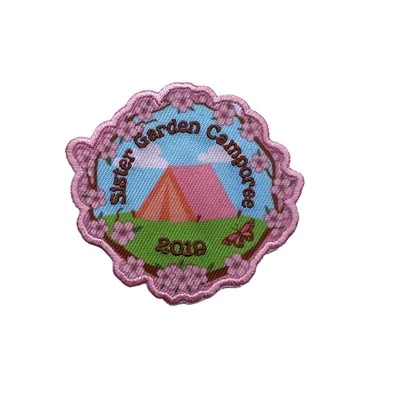
So that’s the tea, honestly. The future of sequin embroidery patches is sustainability, hyper-customization, functional tech, global reach, and keeping quality front and center. It’s not just shiny stuff—it’s something that matters to people, to the planet, and to their lives. If you’re ready to chat about how we can work together, just reach out. No pressure, no weird sales pitch—just someone who loves these patches and wants to help you get exactly what you need.
Sequin Embroidery Patch References:
- Textile Exchange. (2023). Global Recycling Standards for Textiles and Apparel.
- Fashion United. (2024). Customization as a Key Trend in Accessory Manufacturing Post-Pandemic.
- Outdoor Industry Association. (2023). Functional Textiles Trends for Active and Outdoor Wear.
- Statista. (2024). Global Demand for Eco-Friendly Fashion Accessories by Region.
- Wearable Tech Today. (2023). Sequin-Integrated Wearables for Everyday Use.
Yiwu Lanying Garment Accessories Co., Ltd.
As one of the most professional sequin embroidery patch manufacturers and suppliers in China, we’re featured by quality products and good service. Please rest assured to wholesale premium sequin embroidery patch at competitive price from our factory. Customized orders are welcome.
Address: F1,NO.448, Majiaotang Village, Houzhai Street, Yiwu City, Zhejiang Province, China 322000
E-mail: zhangchunyingzi@126.com
WebSite: https://www.embroideredpatchfactory.com/
