In the evolving landscape of the energy industry, a significant paradigm shift is underway towards more sustainable and reliable energy storage solutions. Among these, containerized energy storage systems (CESS) have emerged as a promising option, offering a myriad of advantages such as modularity, mobility, and rapid deployment. As a supplier of containerized energy storage systems, I am constantly engaged with customers who are eager to understand the cost – effectiveness of integrating these systems into their energy portfolios. In this blog post, I will delve into the various factors that determine the cost – effectiveness of CESS and provide insights based on real – world experiences and industry knowledge. Containerized Energy Storage Systems
Initial Investment and Capital Costs
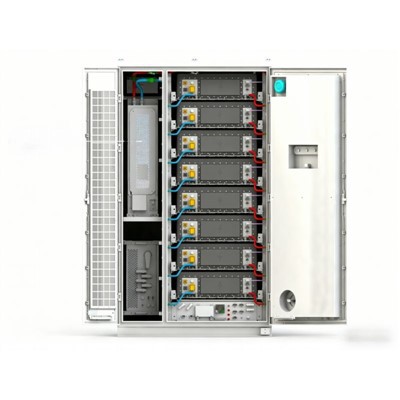
One of the first considerations when evaluating the cost – effectiveness of any energy storage system is the initial investment. Containerized energy storage systems typically come with a higher upfront cost compared to traditional stationary storage solutions. This is due in part to the additional design and engineering required to house the energy storage components within a standardized shipping container. The container itself needs to be modified to ensure proper ventilation, temperature control, and protection against environmental factors.
However, it’s important to note that the modular nature of CESS can also work in its favor. Customers can start with a smaller system and gradually expand it as their energy needs grow. This phased approach to investment can help manage capital expenditure and reduce the financial burden associated with large – scale energy storage projects. Additionally, the pre – fabricated nature of CESS means that installation times are significantly reduced compared to custom – built stationary systems. This can result in lower labor costs and faster project commissioning, which can offset some of the initial capital outlay.
Operational and Maintenance Costs
Operational and maintenance costs are another crucial aspect of cost – effectiveness. Containerized energy storage systems are designed to be highly efficient and require relatively low maintenance. The modular design allows for easy access to individual components, which simplifies maintenance tasks and reduces downtime. In addition, many CESS are equipped with advanced monitoring and control systems that can detect potential issues before they become major problems. This proactive approach to maintenance can help extend the lifespan of the system and reduce long – term maintenance costs.
Compared to traditional stationary storage systems, CESS also have lower operational costs in some cases. The mobility of CESS means that they can be easily relocated to different sites as energy demands change. This flexibility can be particularly valuable in applications such as temporary power generation or grid support in remote areas. By being able to move the system to where it is most needed, customers can maximize the utilization of their energy storage assets and reduce the overall cost of energy.
Energy Efficiency and Performance
The energy efficiency of a containerized energy storage system is a key determinant of its cost – effectiveness. Higher energy efficiency means that more of the stored energy can be used, reducing the need to recharge the system as frequently and lowering overall energy costs. Modern CESS are designed with advanced battery technologies and power electronics that offer high round – trip efficiency.
In addition to energy efficiency, the performance of the CESS in terms of power output and response time is also important. For applications such as grid stabilization and peak shaving, a fast – responding energy storage system is essential. Containerized energy storage systems can be designed to provide high – power output and rapid response times, making them well – suited for these types of applications. By improving the stability of the grid and reducing peak demand, CESS can help utilities and end – users save on energy costs.
Revenue Streams and Cost Savings
Containerized energy storage systems can generate multiple revenue streams, which contribute to their cost – effectiveness. One of the most common revenue streams is through participation in grid services such as frequency regulation and demand response. By providing these services, CESS owners can earn payments from grid operators. In addition, CESS can be used for peak shaving, which involves storing energy during off – peak hours and discharging it during peak demand periods. This can help reduce electricity bills for commercial and industrial customers, resulting in significant cost savings.
Another potential revenue stream is through the integration of CESS with renewable energy sources such as solar and wind. By storing excess energy generated by renewable sources, CESS can help smooth out the intermittent nature of these energy sources and increase their grid penetration. This can not only reduce the reliance on fossil fuels but also generate additional revenue through feed – in tariffs or other incentive programs.
Market Trends and Future Outlook
The cost – effectiveness of containerized energy storage systems is also influenced by market trends and the future outlook for the energy storage industry. In recent years, the cost of battery technologies has been declining steadily, which has made CESS more affordable. As the demand for energy storage continues to grow, economies of scale are likely to further drive down the cost of CESS.
Moreover, the increasing focus on decarbonization and the transition to a more sustainable energy future are creating new opportunities for CESS. Governments around the world are implementing policies and incentive programs to promote the adoption of energy storage systems. These policies can include subsidies, tax credits, and favorable regulatory frameworks, all of which can improve the cost – effectiveness of CESS.
Case Studies and Real – World Examples
To illustrate the cost – effectiveness of containerized energy storage systems, let’s look at some real – world examples. In a commercial building, a CESS was installed to provide peak shaving services. By storing energy during off – peak hours and discharging it during peak demand periods, the building was able to reduce its electricity bill by 15%. The initial investment in the CESS was recouped within three years through these cost savings.
In another example, a utility company deployed a CESS in a remote area to provide grid support. The system was able to improve the stability of the grid and reduce the need for expensive diesel generators. This not only reduced the cost of electricity for the local community but also had a positive environmental impact by reducing carbon emissions.
Conclusion
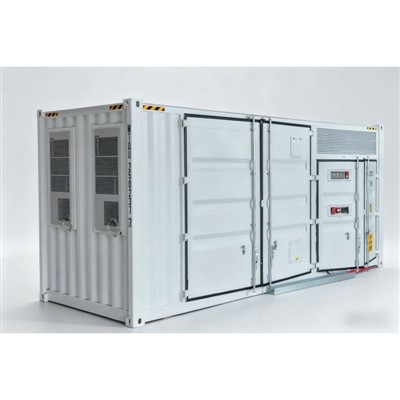
In conclusion, containerized energy storage systems offer a high degree of cost – effectiveness when considering the various factors such as initial investment, operational and maintenance costs, energy efficiency, revenue streams, and market trends. While the upfront cost of CESS may be higher than some traditional storage solutions, the long – term benefits in terms of cost savings, revenue generation, and flexibility make them a compelling option for a wide range of applications.
MC4 Branch Connector If you are interested in exploring the potential of containerized energy storage systems for your energy needs, I encourage you to reach out to me for a detailed discussion. We can work together to assess your specific requirements and develop a customized solution that maximizes cost – effectiveness and meets your energy goals.
References
- International Renewable Energy Agency (IRENA). "Energy Storage and Renewables: Costs and Markets to 2030."
- BloombergNEF. "Battery Price Survey 2023."
- U.S. Department of Energy. "Grid – Scale Energy Storage Technologies."
Tianjin Xilingke New Energy Technology Co., Ltd.
As one of the most professional containerized energy storage systems manufacturers and suppliers in China, we’re featured by quality products and low price. Please rest assured to wholesale durable containerized energy storage systems made in China here from our factory. For quotation, contact us now.
Address: Suite 2601, Tower B, Wanghai International, Haihe East Road, Hebei District, Tianjin, China.
E-mail: robin@sinelinkev.com
WebSite: https://www.sinelinkenergy.com/
