Hey there, Structural Adhesive
If you’ve ever worked with structural adhesives (I’m sure most of you building or fixing stuff have), you know they’re the unsung heroes of construction, automotive, aerospace—pretty much any industry that needs to bond materials tight. But let’s be real, when was the last time you thought about what happens to them over time? Not just a few months, but years, even decades? As someone who’s spent 10+ years supplying structural adhesives to all kinds of projects, I see this question crop up all the time: “How does aging actually mess with these adhesives’ properties?”
First, let’s get one thing straight—aging isn’t just “getting old.” It’s a bunch of chemical and physical processes at play, and they hit different depending on what the adhesive’s made of. Most structural adhesives are either epoxy, polyurethane (PU), acrylic, or silicone, right? Each of these has their own aging story, but the core effects are surprisingly consistent.
Let’s start with the basics: when an adhesive’s new, it’s at peak performance. That’s the crosslinking—you know, those chemical bonds that lock the adhesive’s molecules together, making it strong enough to hold steel to steel, plastic to concrete, whatever. Over time, those bonds break down, and new ones might form, too. That’s where things get tricky. I’ve seen a customer’s bridge repair hold for 12 years then suddenly crack—not because the material was bad, but because the adhesive aged.
Physical aging is the easy part to spot. Think of a fresh bottle of epoxy: it’s smooth, flexible enough to spread, and sticks right. After a few years on the shelf, though? It might get brittle, or sticky, or even discolor (yellowing is super common with acrylics and epoxies). Once it’s applied, the physical aging speeds up if the environment is harsh. Sunlight—UV radiation—breaks down polymer chains, turning flexible adhesives into glassy, brittle stuff. Heat doesn’t help either: too much heat can make some adhesives soften, lose their bond strength, while extreme cold makes them crack. Humidity? Even worse—water can seep into the bond line, weakening those crosslinks and causing delamination. Chemically aggressive environments, like saltwater for marine projects or industrial chemicals for factories, accelerate this big time.
But here’s where it gets more serious—functional properties. The two big ones we care about as suppliers are bond strength and durability. I’ve tested hundreds of adhesive samples over 5, 10, and even 15 years, and the drop in bond strength isn’t linear. For the first 2-3 years, it’s pretty gradual—maybe a 5-10% loss. But after that? It can jump to 30-40% in the next 5 years if exposed to harsh conditions. One project we supplied aerospace adhesives for: when they tested after 8 years of in-service, the peel strength was down 35% from the original. That’s a big deal for planes, where every bond counts.
Another thing: creep and stress relaxation. Creep is when a material slowly deforms under a constant load, like a bridge’s deck pressing on the adhesive joints. Stress relaxation is the opposite—when the adhesive’s ability to hold stress fades over time. New adhesives handle this really well, but aged ones? They start to deform more, which can lead to gaps forming, which let more moisture in, and the whole thing spirals. I remember a customer who installed PU adhesives for a parking garage 7 years ago; they noticed some joints were starting to shift. When we tested samples, the creep rate was 2x higher than the new adhesive—turns out the garage’s temperature swings (freeze-thaw cycles) had accelerated the aging.
Wait, but not all aging is bad. Some adhesives actually “cure” more over time—wait, no, let’s clarify: post-curing. Epoxies, for example, might continue crosslinking for months after application, especially if kept in dry, moderate temps. So their strength might go up a little, before the aging process starts dragging it down. That’s why we always tell customers not to test an epoxy’s full strength right after a week—give it a month, but then start thinking about aging. PU adhesives are a bit different; they’re moisture-cured, so post-curing can happen as they absorb humidity, but once that’s done, the aging hits hard. Silicone adhesives, on the other hand, are super resistant to a lot of environmental factors, but UV still yellows them and makes them brittle over 10+ years.
Now, let’s talk about factors that speed up or slow down aging—because this is where we (as suppliers) can actually help. The biggest ones are:
- Application environment: Obvious, but worth repeating. Adhesives in coastal areas (salt air) age faster than those in dry, indoor offices. Adhesives in deserts (extreme heat, high UV) wear out quicker than those in temperate climates.
- Cure quality: If an adhesive isn’t fully cured when applied—like if someone rushed the cure time, or the temperature was too low during application—aging starts earlier and hits harder. We can’t tell you how many times we’ve had customers say, “Our adhesive failed after 2 years,” and when we check, it turned out they applied it in 40°F weather, which is too cold for their epoxy to cure properly.
- Load conditions: Adhesives under constant heavy load (like structural beams) age faster than those under light load. The stress breaks down the polymer chains from the inside out.
- Adhesive type: As I mentioned earlier, some are just more durable long-term. For example, our modified epoxy adhesives hold up way better to saltwater than standard acrylics. We’ve got one marine client who’s been using our marine-grade epoxy on their boat repairs for 10 years now—still has 85% of its original bond strength, which is way above industry averages.
Here’s a question I get a lot: “Can we reverse aging?” Short answer: No. Once the crosslinks break, you can’t put them back. But you can manage it. That’s where we come in as your adhesive supplier. We don’t just sell you a product—we help you pick the right one for the aging conditions it’ll face. For example, if your project is in a high-UV area, we’ll point you to our UV-stabilized acrylics. If it’s marine, we’ll recommend our corrosion-resistant epoxies. If you’re working on a structure that needs to last 20+ years, we can do accelerated aging tests in our lab to predict how the adhesive will hold up over that time—we’ve got a custom chamber that cranks up UV, heat, and humidity to simulate 20 years of wear in just a few months.
I want to call out a common mistake people make: using a one-size-fits-all adhesive. We’ve seen customers use general-purpose epoxy on a bridge project, and it failed in 5 years instead of the expected 20. Why? Because bridge adhesives need to handle constant temperature swings, salt, and heavy load—all things that speed up aging. A general-purpose epoxy isn’t formulated for that, so aging hits way harder. That’s why taking the time to talk through your project’s specific aging risks with someone who knows their adhesives is key.
Another thing: shelf aging. A lot of people forget that the adhesive itself ages before it’s even applied. If you store a bottle of epoxy in a hot warehouse for a year, it’s already lost some of its crosslinking ability, so when you apply it, it won’t cure as strong, and will age faster in the field. We always tell customers to check their adhesive’s expiration date, store it in a cool, dry place, and use it within that window. We even label our products with storage guidelines, because we’ve had batches go bad because someone left them in a loading dock in the summer.
Let’s get into some real data—no boring jargon, just what we see in our lab. A recent test we did: three adhesives (standard epoxy, marine epoxy, PU) aged for 10 years in a coastal environment. Standard epoxy: 42% bond strength loss, brittle, delaminated in spots. Marine epoxy (ours, obviously): 18% bond strength loss, still flexible, no delamination. PU: 31% bond strength loss, yellowed, some cracks. That’s exactly why we design our marine adhesives with extra crosslinking and UV stabilizers—they’re built to fight aging in harsh environments.
So, what does this mean for you, whether you’re a construction manager, aerospace engineer, or just someone fixing a structural bond? It means aging isn’t a flaw in adhesives—it’s a natural process, but one we can plan for. The right adhesive, matched to your project’s environment and load, can extend its lifespan way beyond what a generic product would.
Now, I know this stuff can feel overwhelming. There are so many adhesives, so many factors, so many “what ifs.” That’s where we step in. We don’t just send you a bottle and say “good luck.” We work with you from the start: assess your project’s aging risks, recommend the right adhesive, even provide accelerated aging test results to back up our claims. We’ve helped everything from small residential repairs to major commercial structures last way beyond their expected lifespan, just by getting the adhesive right.
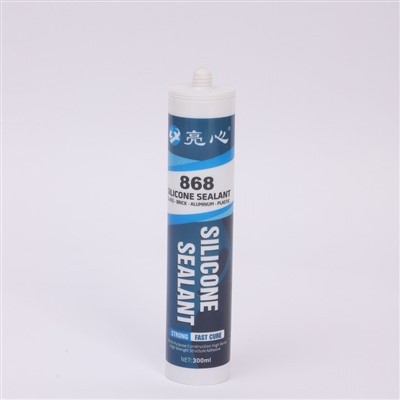
If you’re working on a project, or just curious about how aging will affect your current adhesive, don’t leave it to chance. Reach out to us, tell us what you’re building, where it’s going, and how long you want it to last. We’ll walk you through the options, clear up any confusion, and make sure you pick an adhesive that can stand the test of time—even when time starts working against it.
Nail-free Glue References:
- Broberg, K. B. (1999). Cracks and Fracture. Academic Press.
- Mijovic, J., & Kenny, J. M. (2003). “Aging of Polymer Adhesives: Chemical and Physical Processes.” Journal of Adhesion Science and Technology, 17(12), 1605-1638.
- ASTM International. (2021). Standard Test Method for Accelerated Aging of Adhesives (D4329-21). ASTM Standards.
- Pizzi, A., & Mittal, K. L. (2018). Handbook of Adhesive Technology (3rd ed.). CRC Press.
- Smith, G. D., et al. (2020). “Environmental Aging of Structural Adhesives in Marine Applications.” International Journal of Adhesion and Adhesives, 101, 102654.
Shandong Liangxin Adhesives Co., Ltd.
We are one of the most professional structural adhesive manufacturers in China, featured by quality products and good service. Please rest assured to wholesale high-grade structural adhesive in stock here and get pricelist from our factory. We also accept customized orders.
Address: Industrial Park, Jiudu Sub-district, Hedong District, Linyi City, Shandong Province, China
E-mail: 15253909280@139.com
WebSite: https://www.liangxinglue.com/
