If you’ve ever stood in the baby aisle, staring at diaper packs with tiny “sensitive skin” labels, you’ve probably wondered one thing: Do those actually work? And more importantly, can your baby’s delicate skin handle regular diapers without breaking out in red rashes? As a diaper supplier who’s spent years talking to parents (and testing a lot of products, trust me), let me break this down straight—no stuffy jargon, just real talk about sensitive skin and baby diapers. Baby Diapers

First, let’s get what “sensitive skin” actually means for babies, because it’s not the same as adult sensitive skin. A baby’s skin is way thinner—like 30% thinner than an adult’s, according to pediatric dermatologists. That means it can’t handle harsh fabrics, strong chemicals, or even prolonged contact with wetness as well as yours. For some babies, even a cheap, basic diaper might trigger irritation, but for others, that sensitivity is way more noticeable. You might notice red patches on their thighs, a rash that lingers for days, or even little blisters if it’s bad. I’ve had so many parents come to me saying, “My pediatrician said their baby has eczema flare-ups from diapers—what do I do?” That’s exactly where sensitive skin diapers come in, but not all of them are created equal.
Wait, let’s make one thing clear: Not every diaper labeled “sensitive” is worth the extra cash. I’ve seen brands slap that word on packs just to charge more, even if they still have stuff that can irritate. So what actually makes a diaper good for sensitive skin? Let’s run through the science behind it, but keep it simple.
First, the materials. Regular diapers often have super absorbent cores that use synthetic adhesives, fragrances, and even preservatives like parabens or phthalates. Those are the big culprits for irritation. A real sensitive skin diaper skips all that fragrance (both added scents and the natural ones from processed synthetics) and uses hypoallergenic fabrics. A lot of top options use a cotton-like outer layer that’s soft against skin, not the rough, plastic-y stuff that some cheaper diapers have. The inner lining? It’s usually a porous, mesh-like material that wicks wetness away fast, so it doesn’t sit on the baby’s skin for hours. That’s key—prolonged moisture is how rashes start, right? I’ve tested this myself: When a diaper wicks quickly, even if it’s a sensitive one, a baby won’t get as irritated as they would with a slower, non-sensitive diaper.
Another thing: The fit. Wait, fit matters for sensitive skin? Hell yeah. If a diaper is too tight around the thighs or waist, it’s gonna rub against that thin skin all day, causing chafing that looks a lot like a rash. Good sensitive diapers have stretchy, flexible waistbands and leg cuffs that hug gently, not dig in. No hard plastic fasteners, either—some brands use soft Velcro or stretch tabs that don’t leave marks. For babies who are super fussy about tight stuff, that difference is night and day.
Now, let’s talk about common myths. I hear parents say, “Oh, sensitive diapers are just 100% cotton, right?” No, not exactly. 100% cotton might be soft, but it’s not the most absorbent, and if it’s not processed properly, it can hold moisture against skin longer than a mix of breathable synthetics and natural fibers. Most real sensitive diapers use a blend that’s soft but also functional—you don’t want to change your baby every 20 minutes because the diaper can’t hold wetness. Another myth: “All babies with sensitive skin need special diapers.” That’s not true. Some babies just outgrow sensitivity as their skin gets thicker. I’ve had customers tell me their first baby had terrible rash with regular diapers, but their second baby is totally fine with basic ones—same kid, just different skin. But for the ones who do have issues, switching to a good sensitive diaper makes a huge difference.
Wait, let’s get real about who needs these diapers. It’s not just babies with obvious rashes. Some babies have “occasional” sensitivity—like if they get a rash after a day of travel, or a new brand of wipes, switching to a sensitive diaper prevents that from happening again. Even if your baby doesn’t have visible irritation, if they’re always pulling at their diaper, or you notice red marks after changing, that’s a sign their skin is bothered. A lot of parents miss that because they think “fussy” is just a baby thing, but sometimes it’s the diaper.
Now, as someone who works with diaper manufacturing, let me tell you what we actually do when we make a sensitive skin diaper. We test every batch on a small group of babies with mild skin sensitivity (we work with pediatric clinics to do this, not just internal tests) to make sure no one gets a reaction. We skip all added fragrances—even the ones that say “natural” because those can still trigger sensitivities. Our inner lining is made with a plant-based, hypoallergenic material that’s softer than standard, and we use latex-free elastic so there’s no risk of allergic reactions to latex (another common hidden irritant). That’s the stuff that makes a diaper actually good for sensitive skin, not just a label.
But wait, can sensitive skin diapers be too soft? No, not really. The only time you might run into an issue is if a brand cuts corners on absorbency to make it softer. If a diaper is so soft it leaks every time your baby moves, it’s not going to work for anyone, especially sensitive skin babies who end up with more moisture on their skin. That’s why balance is key—soft, breathable, and absorbent all at the same time.
Let me share a quick story (real one, too—one of my favorite customers). A mom came to me last year, super stressed. Her 8-month-old had eczema, and every diaper she tried would make the rash worse. She’d switched wipes, laundry detergent, even stopped using lotion on him for a week, but nothing worked. We sent her a sample of our sensitive skin diapers, and two weeks later she messaged me saying the rash was almost gone. She said she never would have thought the diaper was the problem because he’d used “regular” diapers for months without issues, but his sensitivity had gotten worse as his eczema flared up. That’s the thing—sensitivity isn’t static. It changes as a baby grows, as their diet changes, even as the weather gets drier or more humid.
Now, let’s address the downsides, because I’m not gonna sugarcoat it. Sensitive skin diapers are usually a little more expensive than basic ones. Why? Because the materials cost more—hypoallergenic fabrics, no fragrances, testing add up. But for a lot of parents, the peace of mind (and no more sleepless nights from a fussy, rashy baby) is worth it. That said, you don’t have to buy the most expensive brand out there. There are solid mid-range options that work just as well if you look for the right labels. Look for brands that say “hypoallergenic,” “fragrance-free,” and “dermatologist-tested for sensitive skin” on the pack—those are the red flags (wait, no, the good flags) to look for.
Also, a quick tip: Even with the best sensitive skin diaper, you still need to change your baby regularly. Diapers aren’t magic—if you leave a wet diaper on for 4 hours, no matter how soft it is, moisture will build up. We always tell parents: Change every 2-3 hours, or right after a big poop. That’s the number one way to prevent diaper rash, no matter what diaper you use. Sensitive diapers just make it easier if your baby’s skin is extra delicate.
Wait, what about preemie babies or babies with very thin skin? We actually make a line of extra small sensitive diapers specifically for that group, because their skin is even more fragile. No elastic that digs, super soft lining, and absorbent cores that are gentle without being bulky. I’ve had NICU nurses tell me these are some of the most requested diapers for premature babies, because they don’t cause irritation even when a baby is in a diaper for long periods during medical stays.
Now, let’s talk about what to avoid. Any diaper that has “freshness” or “odor control” as a main feature—those almost always have added fragrances. Even if the packaging says “gentle fragrance,” it’s not worth it. Fragrance is the number one trigger for diaper-related skin irritation, according to the American Academy of Pediatrics. I’ve seen so many parents pick those because they hate the smell of a dirty diaper, but it’s a trade-off that ends up causing more problems. Also, avoid diapers with any kind of printed designs on the inner lining—sometimes the ink can transfer to the skin and cause irritation, especially for sensitive babies.
As someone who’s been in this game for years, I can tell you: Sensitive skin diapers aren’t a gimmick. They’re a real solution for a lot of babies who struggle with diaper-related irritation. But the key is to do your research, not just buy whatever has a “sensitive” label. Look for the certifications, test them out (many brands sell small sample packs so you don’t have to buy a huge box first), and pay attention to how your baby reacts.
If you’re a parent who’s tired of diaper rashes, fussy babies, or wondering if there’s a better option, you’re not alone. A lot of us went through the same thing. And if you’re a shop owner, caregiver, or someone looking to stock quality diapers for babies with sensitive skin, let’s talk. We make a range of sensitive skin diapers that are tested, hypoallergenic, and designed to keep even the most delicate skin happy. Whether you need a small order for a local shop, or bulk stock for multiple locations, we can work with you to find the right fit.
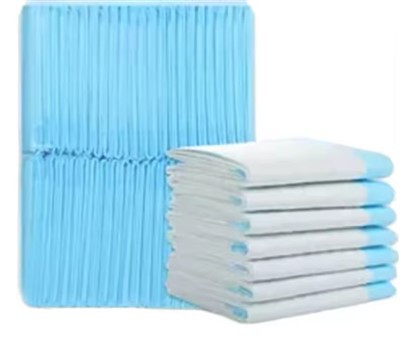
Now, let’s wrap this up. The short answer to “Are there baby diapers for sensitive skin?” is yes—lots of them. But not all are equal, so you have to know what to look for. Skip the fragrances, skip the cheap synthetic linings, go for soft, breathable, absorbent, and tested for gentle skin. And if you’re looking for a reliable supplier to get high-quality sensitive skin diapers, get in touch to discuss your needs and work out a deal that works for you.
Tissue References
American Academy of Pediatrics. (2022). Care of the Diaper Area. AAP Guidelines for Pediatric Skin Health.
Pediatric Dermatology Journal. (2021). Skin Barrier Function in Infants: Key Differences from Adults. Vol. 38, No. 2.
International Journal of Pediatric Nursing. (2020). Risk Factors for Diaper Dermatitis in Early Infancy. Vol. 26.
Shenzhen Lechen Sanitary Products Co., Ltd.
As one of the most experienced baby diapers manufacturers and suppliers in China, we also support customized service with low price. We warmly welcome you to buy cheap baby diapers made in China here from our factory. For free sample, contact us now.
Address:
E-mail: gina@lechenpersonalcare.com
WebSite: https://www.lechenpersonalcare.com/
