Hey there,
If you’ve ever shopped for fabric lately—whether for a new couch, dining chair cushions, or even accent pieces for your living room—you’ve probably come across quilted fabric. For most people, their first thought is, “That’s the stuff used for comforters and winter coats, right?” But let’s cut to the chase: as someone who’s been supplying quilted fabric for over a decade now, I get so many questions from upholsterers, furniture makers, and even homeowners asking the big one: Can quilted fabric actually work for upholstery?
Spoiler alert: The short answer is yes—but there’s a lot more to it than just grabbing a bolt of quilted bedspread fabric and slapping it on a dining chair. I’ve seen both the wins and the fails over the years, and today I’m breaking down exactly when it shines, when it might not, and what makes it different from your standard upholstery fabrics. Quilted Fabric
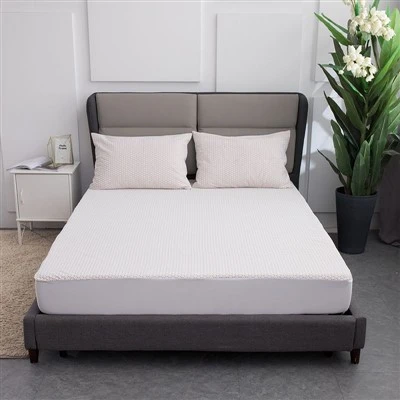
First, let’s get on the same page about what quilted fabric actually is, because a lot of folks mix it up. Quilted fabric isn’t a single material—it’s three layers stitched together: a decorative top layer, a middle batting (that thick, soft stuff), and a bottom backing layer, with stitches holding everything in place in patterns (think straight lines, diamonds, swirls, even modern geometric shapes). The whole point of those stitches? They stop the batting from shifting around, which is why it’s perfect for keeping a comforter fluffy all winter. But for upholstery, that structure is a game-changer or a headache—depending on how it’s engineered.
Let’s start with the good stuff, because there’s a lot of it. First, it’s inherently cushioned, right? That middle batting adds a soft, supportive layer that standard upholstery fabrics don’t have unless you add separate foam. So if you’re making a cozy reading nook chair or a bench for a entryway where people sit for a few minutes, quilted fabric cuts down on extra work for your upholstery project. You don’t have to glue foam to the frame and then add fabric—you’ve got built-in softness right there.
Then there’s durability. Wait, I know what you’re thinking: “Quilted fabric feels lightweight—how can it hold up on a couch that’s getting used every day?” The trick here is the backing layer and the thread. Back in the day, old quilts used thin cotton backings and cheap thread that snapped. But modern quilted upholstery fabric uses backings like heavy-duty polyester or even a blended cotton-poly that’s stretched tight during manufacturing, so it doesn’t pucker or tear easy. The stitches? We use reinforced polyester thread for most of our upholstery-grade fabric, which can handle repeated use—kids jumping on couches, pets scratching (mostly, not full-on clawing), even spills (as long as you pick a stain-resistant top layer).
Oh, and let’s not forget aesthetics. Quilted fabric adds texture without being too loud. A subtle diamond-quilted couch in a neutral beige fits in with modern, bohemian, and even minimalist decor—way more interesting than a plain woven fabric, but not as busy as a print. We’ve had upholsterers use it on everything from mid-century modern side chairs to rustic farmhouse dining sets, and it adds that small, cozy detail that makes a piece feel custom without breaking the bank.
But here’s where it gets tricky—because quilted fabric isn’t one-size-fits-all. If you grab the wrong type, it can fall apart fast, or look messy in a few months. Let’s talk about the common mistakes people make. First, not checking the fabric’s “quilt stability.” That’s a fancy way of saying, does the middle batting shift around? If you buy cheap quilted fabric (like the $5 a yard stuff at big-box stores for quilting crafts), the stitches are loose, and the batting will bunch up in the middle of your couch cushions. That makes them lumpy, weird-looking, and way less comfortable after a few uses. Upholstery-grade quilted fabric has stitches that are denser and tighter—no bunching, period.
Second, stretch is a big one. A lot of people don’t realize that upholstery needs a little give to wrap tightly around furniture frames, right? If you’re covering a square couch arm, you need fabric that can stretch just a tiny bit to fit without pulling. Some quilted fabric is very stiff—usually if the batting is extra thick, or the top layer is a heavy canvas that’s not woven with stretch fibers. That stiffness can make the fabric pucker when you wrap it around curves, which looks unprofessional and can even cause the stitches to pop over time. We solve that at our shop by offering two types of upholstery quilted fabric: one with a 5% stretch (for curved pieces like armchairs) and a non-stretch version (for flat bench seats or backs where tight wrapping isn’t needed).
Third, cleanability. If you’re using quilted fabric on a high-traffic piece—like a family room couch or a kid’s playroom ottoman—you need to think about how easy it is to clean. The gaps between the quilted stitches (especially if it’s diamond or swirl pattern) can trap crumbs, pet hair, and spills. If the top layer is plain cotton, that’s fine for a low-use piece, but it will stain easily and hold onto odors. That’s why we recommend looking for quilted upholstery fabric with a stain-resistant top layer (like polyester or performance polyester blends) if you’re using it in spaces that get messy. We even add a water-repellent coating to most of our upholstery-grade options, so a spill from a juice box or a wine glass will wipe right off with a damp cloth.
Wait, let’s also talk about specific uses where quilted fabric kills it, because that helps clear things up. For dining chair cushions: A lot of upholsterers make cushions with separate foam and fabric, but quilted fabric means you can skip the foam layer—just sew the quilted fabric right to the seat base. It’s faster, cheaper, and the batting makes the seat way more comfortable to sit on for long meals. For window seats or built-in benches: Again, flat surfaces, so the stiffness issue isn’t a problem, and the extra cushioning makes those nooks feel like a cozy retreat. For accent pillows: Quilted fabric is perfect here—you can get small, decorative pieces with fun patterns (we do custom geometric quilts if you want) that add texture to a couch or bed without being overwhelming.
But what about uses where it’s not the best call? Let’s be real—you wouldn’t want to use lightweight, thin quilted fabric on a full-size family couch that’s getting used 8 hours a day, 7 days a week. It’s just not built for that. Also, if you’re making furniture with lots of tight curves—like a vintage-style tufted armchair with rounded armrests—stick to the stretch quilted fabric we mentioned. If you use non-stretch, it will pull and gap, which looks bad. Another no-go? Pet beds that are chewed on—even the sturdiest quilted fabric can have stitches popped if a dog is gnawing on it, so it’s better for pet furniture that’s just for napping, not constant destruction.
I know a lot of folks are worried about cost, too. Quilted fabric for upholstery is usually a little more expensive than plain woven upholstery fabric, but think about what you’re getting: you save money on foam, you cut down on time (less steps to build a cushion), and the texture means you don’t have to spend extra on trim or decorative details to make your furniture look nice. Over time, that adds up—especially for small furniture businesses or homeowners doing their first DIY upholstery project.
Wait, let’s throw in a real example from our shop last year. We had a customer who ran a small furniture brand in Portland, Oregon, and he was testing a new line of mid-century dining chairs. He tried using standard plain woven upholstery fabric, but his team complained that it was too stiff, and customers said the seats were hard after 20 minutes of sitting. He switched to our mid-weight quilted upholstery fabric (stretch, 100% polyester with stain-resistant coating), and within a month he was reordering 500 yards. He told us that the seats were way more comfortable, and he didn’t have to add extra foam—cutting his production time by 15 minutes per chair. That’s the kind of win we love to see.
Another example: A DIY homeowner in Chicago reached out to us last spring to reupholster her grandmother’s old couch. She used a cheap quilted bedspread fabric from a craft store, and within a month, the batting had shifted so bad the seat cushions were lumpy. She came to us, bought our heavy-duty upholstery quilted fabric, and followed a few simple tips: she used a staple gun with 1/2 inch staples (not too small, not too big) when wrapping the fabric around the couch frame, and she stretched the fabric slightly as she stapled to avoid puckering. She texted us a month later with a photo of her finished couch, saying it looked brand new and was way more comfortable than the original.
Now, let’s share a few pro tips if you’re thinking about using quilted fabric for upholstery—whether you’re a pro upholsterer or a DIYer. First, always ask your supplier for “upholstery-grade” quilted fabric, not craft-grade. Craft-grade is thin, low-stitch density, and made for small projects. Upholstery-grade has tighter stitches, heavier backings, and is tested for durability. Second, test the stretch: pull the fabric slightly (not hard) and see if it bounces back. If it stays stretched out, it’s too stretchy for flat surfaces, and if it doesn’t move at all, it’s too stiff for curves. Third, for high-traffic areas, go for a dark or patterned quilted fabric—light colors will show crumbs and stains way more than darker shades, and the pattern will hide any small puckers in the stitches. Fourth, when cutting the fabric, make sure you follow the pattern’s grain line—if you cut it wrong, the quilted layers will shift, and your finished piece will look lopsided.
Wait, one common question we get all the time: Does quilted fabric pill? Pilling is when little tiny balls of fabric form on the surface, right? That’s usually from low-quality top layers. Our upholstery-grade quilted fabric uses tight-woven polyester or cotton-poly blends, and we pre-wash and pre-shrink the fabric before it leaves our shop, so pilling is minimal. If you get pilling, you can use a fabric shaver to remove it, but it’s usually not a problem for the first few years—even with daily use.

Let’s wrap this up. The big takeaway: Quilted fabric is 100% usable for upholstery—you just have to pick the right type for your project, and know its limitations. It’s not for every piece of furniture, but when it’s a fit, it adds comfort, texture, and saves you time and money compared to standard upholstery fabrics.
Blanket If you’re a furniture maker, upholsterer, or a homeowner planning a DIY project and want to test out quilted fabric for upholstery, we’re here to help. We’ve got samples, custom options, and advice on which type is best for your specific project.
References
- Textile Institute. (2022). "Performance Characteristics of Quilted Textiles for Upholstery Applications." Journal of Industrial Textiles.
- American Home Furnishings Alliance. (2023). "Upholstery Fabric Durability Standards and Testing Methods."
- International Fabricare Institute. (2021). "Stain Resistance and Cleanability of Quilted Performance Fabrics.
Jiangsu Etang Household Products Co., Ltd.
We are one of the most professional quilted fabric manufacturers and suppliers in China. With abundant experience, we warmly welcome you to buy bulk premium quilted fabric made in China here from our factory. All customized products are with high quality and competitive price. Contact us for pricelist.
Address: No. 18 Nanhai Road, Siyang Economic Development Zone, Siyang County, Suqian City, Jiangsu Province
E-mail: etang216@js-et.com
WebSite: https://www.etangbedding.com/
