If you’re reading this, chances are you or someone you work with has ever stared at a lab report, wondering why a patient’s blood sugar’s spiking even after they’re sticking to their insulin schedule—or maybe you’ve heard a pharmacist ask, “Wait, does this med mess with pancreatic function?” As a supplier of endocrine metabolic agents, I get those questions a lot. We don’t just ship bottles of pills to clinics, y’know? We’re here because we work with the pancreas every single day—whether that’s trying to fix something broken, keep something steady, or prevent a whole lot of trouble down the line. Endocrine Metabolic Agents
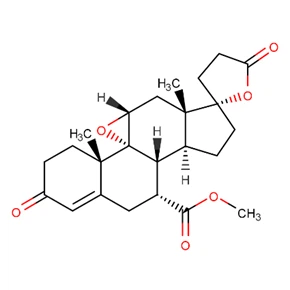
First, let’s do a quick reality check: the pancreas is basically the body’s unsung metabolic DJ. It drops insulin when blood sugar’s high (that’s the “turn down” for glucose, getting it into cells for energy) and glucagon when it’s low (the “turn up,” telling the liver to dump stored sugar). When that DJ’s off beat, everything goes haywire. That’s where our stuff comes in—but it’s not one-size-fits-all, and understanding how endocrine metabolic agents actually interact with the pancreas is the difference between a med that works and one that causes more problems than it solves.
Let’s start with the big ones we deal with daily: diabetes meds. For Type 1 folks, their pancreas is basically incapable of making insulin at all—so we supply the long-acting and rapid-acting insulins that replace what it can’t. But even for Type 2, where the pancreas is making insulin but the body’s ignoring it (insulin resistance), our agents have to nudge that pancreas to pick up the slack. Take sulfonylureas, for example—super common, right? They work by plugging into the pancreas’s beta cells (the ones that make insulin) and yanking open a little gate that makes them release more insulin. But here’s the catch: I’ve seen docs get tripped up by this, and it’s something we’ve definitely had to train our clients on. Overdoing sulfonylureas can make the beta cells work so hard they burn out early. A patient on this med for 10 years might suddenly need insulin, not because they were bad at managing it, but because their pancreas got worn out from constant overstimulation. That’s not a failure of the med—it’s just how it interacts with the organ. Then there’s GLP-1 agonists, the ones everyone’s talking about now (they’re also weight-loss meds, but we supply them for diabetes too). These aren’t just pushing the pancreas to release insulin when sugar’s high—they also tell the alpha cells (the ones that make glucagon) to slow down on dumping extra sugar. Oh, and they slow stomach emptying too, but that’s a side note. The cool part here is they’re gentler on beta cells, which is why more and more clinicians are switching to them first now—something we’ve seen spike our orders in the last 5 years.
But diabetes isn’t the only pancreatic issue we handle. What about pancreatic cancer? Or pancreatitis? Wait, some endocrine metabolic agents can actually contribute to pancreatitis, and that’s another thing we’ve had to warn every clinic and pharmacy about. For example, a small subset of patients on those same GLP-1 agonists I mentioned have had acute pancreatitis flare-ups. It’s rare, but it happens, and it’s not that the med is toxic—it’s that it’s signaling pathways in the pancreas that can trigger inflammation in super sensitive people. That’s why we don’t just send the products and ghost our clients; we follow up with training sessions, send quick email alerts when new safety data drops, and have a team of pharmacists who can answer “wait, can this patient take this?” questions at 9 AM on a Monday. That’s the supplier side no one talks about, right? We’re not just order takers.
Now, let’s get into the newer stuff, because the endocrine metabolic space moves fast. What about SGLT2 inhibitors? Those are the ones that make the kidneys dump excess glucose, right? But do they touch the pancreas? Yeah, indirectly. They take the load off beta cells because there’s less sugar they have to process, so in a way, they give the pancreas a little break. I’ve had a doctor tell me that for a patient with pre-diabetes and early insulin resistance, putting them on an SGLT2 instead of a sulfonylurea helped their beta cells function better over a year—something we saw in our own client data too. That’s the kind of outcome that makes us feel like what we’re doing matters, not just moving product.
But here’s the messy part: not all interactions are good. There are some endocrine metabolic agents that actually harm the pancreas, and a lot of people don’t realize that. For example, some older steroid meds (which we also supply, for things like autoimmune conditions) can raise blood sugar by making the beta cells less responsive to insulin and pushing glucagon up. It’s called steroid-induced hyperglycemia, and if a patient is already on the edge of pancreatic issues, that can push them over into Type 2 diabetes. We send out quarterly newsletters that list these interactions because we’ve had too many stories of a patient getting a steroid for a rash, their sugar skyrocketing, and no one connecting it to the med they were on from us. That’s the part of being a good supplier, I think—anticipating those mix-ups before they happen.
Another thing we run into is when clinicians mix up endocrine metabolic agents with other drugs that affect the pancreas. I remember a few years back, a small clinic ordered a batch of our insulin for Type 1 diabetes, but they accidentally got it mixed up with some other med we supply for thyroid issues. Thyroid hormones are endocrine agents too, right? And they actually speed up pancreatic function—so a Type 1 patient on too much thyroid hormone might process insulin faster, meaning they need more of it, or they’ll have low blood sugar. We caught the mistake during our pre-delivery quality check, but that’s the kind of mistake that could have hurt someone. That’s why we don’t just ship from a warehouse—we have a team that does manual checks on every order, especially the more sensitive stuff like pancreatic-targeted meds.
Let’s talk about long-term use, because that’s where a lot of the real impact shows. I’ve been in this industry for 12 years now, and I’ve seen the data on how different agents affect pancreatic function over 5, 10, even 15 years. Sulfonylureas, like I said earlier, have that beta cell burnout risk. But GLP-1 agonists and SGLT2 inhibitors? Studies show that they can actually preserve beta cell function, maybe even improve it, in some cases. That’s why we’ve shifted our focus to stocking more of those, instead of the older, cheaper sulfonylureas that were the go-to for so long. It’s not just about profit—though I won’t lie, the demand is real—it’s about helping patients keep their pancreases working for longer, not just masking the symptoms.
Now, I know a lot of people in the field are talking about the new stuff for Type 1 diabetes, like personalized beta cell therapies. And guess what? We’re already preparing for that. Because even when those therapies come out, they’ll need support from endocrine metabolic agents to make them work—maybe to suppress the immune system from attacking the new beta cells, or to regulate blood sugar while the new cells kick in. That’s the exciting part of this industry: it’s always evolving, and as a supplier, we have to evolve right along with it, making sure we have the right products, the right information, and the right support for clinicians who are on the front lines with patients.
But let’s get back to the basics, because it’s easy to get caught up in the new tech. At the end of the day, every endocrine metabolic agent we supply is designed to talk to the pancreas—either tell it to make more insulin, slow down glucagon, give it a break from excess sugar, or make sure other body systems don’t mess with how it works. None of this is magic, though. It’s all about those signaling pathways, the beta and alpha cells, the balance that keeps the whole thing running.
I’ve had so many conversations with nurses and pharmacists over coffee at conferences, venting about how there’s so much conflicting info on how these meds work. One time, a pharmacist told me they had a patient who was on two different endocrine agents, and their blood sugar kept fluctuating, and no one could figure out why. We looked at the chart, and it turned out one med was pushing insulin release, and the other was slowing down how the body used it—so they were stacking effects that were too strong. We were able to connect them with our clinical team, tweak the doses, and the patient’s sugar stabilized. That’s why we’re not just a supplier—we’re a resource.
If you’re reading this and you’re a clinician, a pharmacy buyer, or even just someone who works with these meds, and you’ve got questions about how our products interact with the pancreas, or how to avoid the common mistakes I’ve been talking about, we’re here for you. We know that when you’re dealing with patients, there’s no room for guesswork, and that’s why we invest in more than just inventory—we invest in support, training, and making sure every order gets checked, double-checked, and paired with the info you need to use it right.
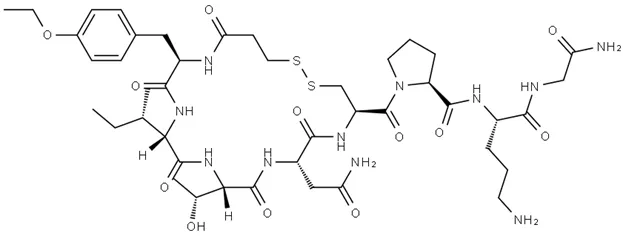
Whether you’re working at a small community clinic, a big hospital network, or a specialty pharmacy, we’ve got the endocrine metabolic agents you need, backed by the expertise to help you use them safely and effectively. If you’re looking to partner with a supplier that actually understands what goes on inside that little metabolic DJ we call the pancreas, reach out to our team. We don’t do generic sales pitches; we do real, actionable info, and we care as much about patient outcomes as you do.
Antineoplastic Agents References:
- American Diabetes Association. (2023). Standards of Medical Care in Diabetes—2023. Diabetes Care, 46(Suppl 1), S1–S212.
- Inzucchi, S. E., et al. (2022). Management of Hyperglycemia in Type 2 Diabetes, 2022. A Consensus Report by the American Diabetes Association (ADA) and the European Association for the Study of Diabetes (EASD). Diabetes Care, 45(12), 2782–2819.
- Singh, A. K., et al. (2021). Glucagon-like peptide-1 receptor agonists and pancreatic safety: a systematic review and meta-analysis. Diabetic Medicine, 38(3), e14485.
- DeFronzo, R. A., et al. (2019). Type 2 diabetes mellitus: pathophysiology and treatment. Nature Reviews Disease Primers, 5(1), 1–22.
- American College of Gastroenterology. (2020). ACG Clinical Guideline for the Diagnosis and Management of Acute Pancreatitis. American Journal of Gastroenterology, 115(10), 1449–1466.
HK Neopharm Limited
HK Neopharm Limited is one of the most professional endocrine metabolic agents manufacturers and suppliers in China, also supports customized service. Welcome to buy high quality endocrine metabolic agents in stock here and get quotation from our factory. For price consultation, contact us.
Address: Room W Unit 6086/f Metro Loft 38kwai Hei St Kwai Chung, Hong Kong
E-mail: sales@hkneopharm.com
WebSite: https://www.hkneopharm.com/
