As a supplier of compressed air tanks, I often get asked about the environmental implications of using these things. So, I thought I’d sit down and chat about it in a bit more detail. Compressed Air Tank
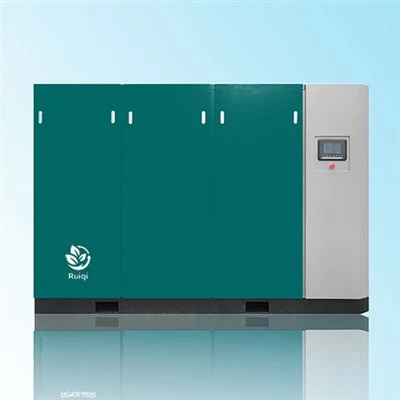
Let’s start from the beginning. Compressed air tanks are super useful. They’re used in all sorts of industries, from manufacturing to automotive repair, and even in some medical applications. They store compressed air, which can then be used to power tools, equipment, and even some vehicles. But like anything else that involves energy and materials, there are environmental factors we need to consider.
Production Phase
First up, let’s talk about how these tanks are made. The production process of compressed air tanks has a fair bit of environmental impact. Most tanks are made from steel or aluminum. Mining the raw materials for these metals is a pretty resource – intensive process.
For steel, it starts with iron ore mining. This often involves large – scale open – pit mining, which can cause deforestation, habitat destruction, and soil erosion. The energy required to extract and refine iron ore is also substantial. A lot of coal is used in the process, and coal is a non – renewable energy source that releases a ton of greenhouse gases when burned.
Aluminum production isn’t much better. It begins with bauxite mining, which can lead to similar environmental issues as iron ore mining, such as land degradation and loss of biodiversity. The refining process for aluminum is extremely energy – consuming. In fact, around 17 megawatt – hours of electricity are needed to produce one ton of primary aluminum. That’s a lot of juice, and in many places, that electricity comes from fossil fuels.
During the manufacturing of the tanks themselves, there’s also waste generated. There are cut – offs from shaping the metal, as well as chemicals used in the coating and finishing processes. These chemicals can be harmful if they’re not disposed of properly.
Usage Phase
Now, let’s move on to what happens when the tanks are in use. One of the main things to consider here is energy efficiency. Compressing air takes a fair amount of energy. If the air compressor isn’t operating efficiently, it can waste a lot of electricity or whatever energy source it’s using. Inefficient compressors require more energy to achieve the same level of air compression, which means more greenhouse gas emissions.
Leakage is another big issue. Compressed air systems are prone to leaks. In fact, it’s estimated that leaks in industrial compressed air systems can account for up to 30% of a compressor’s total air production. These leaks not only waste energy but also increase operating costs. And let’s not forget that the energy used to compress the air likely came from non – renewable sources, so we’re essentially wasting precious resources.
Another aspect to think about is the associated equipment. Most compressed air systems have dryers and filters to make sure the air is clean and dry. These components also consume energy. Some dryers use heat to remove moisture from the air, and this heat is usually generated by burning fossil fuels. Additionally, the filters need to be replaced periodically, which generates waste.
End – of – Life Phase
Finally, we need to consider what happens when the compressed air tank reaches the end of its useful life. These tanks can’t be simply thrown away. They’re made of metal, which is a valuable resource, but they also might have residual compressed air and contain coatings or linings that could be hazardous.
If not disposed of properly, they can end up in landfills. This is wasteful because the metal could be recycled. Recycling metals like steel and aluminum requires less energy compared to producing them from raw materials. For example, recycling aluminum uses about 95% less energy than primary production. But getting the tank to a recycling facility means having proper collection and transportation systems in place.
What We’re Doing to Minimize the Impact
As a supplier, I’m well aware of these environmental concerns, and we’re taking steps to minimize the impact.
In terms of production, we’re constantly looking for ways to source our raw materials more sustainably. We’re working with suppliers who have better environmental practices in mining and refining. For example, some steel suppliers are using more recycled steel in their production, which reduces the need for virgin iron ore.
We’re also investing in research and development to improve the manufacturing process. We’re looking at ways to reduce waste generation during production, such as optimizing the cutting and shaping processes to minimize metal cut – offs. And we’re exploring more environmentally friendly coating and finishing options that are less harmful to the environment.
When it comes to the usage of our compressed air tanks, we provide our customers with information on how to make their systems more energy – efficient. We offer training on proper compressor operation and maintenance to reduce the likelihood of leaks. We also recommend the use of energy – efficient dryers and filters and can help customers choose the right equipment for their needs.
For the end – of – life phase, we’re promoting recycling. We have a program in place where we can take back old tanks from our customers. We then make sure they’re recycled properly, so the valuable metals can be reused in new products.
Conclusion
So, to answer the question, yes, there are definitely environmental considerations when using a compressed air tank. From the production phase to the end – of – life phase, there are multiple points where environmental impacts can occur. But the good news is, there are also many ways to mitigate these impacts.
As a supplier, I’m committed to doing my part to make the compressed air tank industry more sustainable. And I believe that by working together with our customers, we can make a real difference.

If you’re in the market for a compressed air tank and want to learn more about how we’re addressing these environmental concerns, or if you have any questions about our products, I’d love to have a chat. Let’s talk about how we can meet your needs while also being kind to the planet. Reach out to me, and we can start a conversation about your specific requirements.
Air Compressor Parts References
- "Compressed Air Systems Best Practices", Compressed Air Challenge
- "Environmental Impact of Metal Production", International Resource Panel
- "Energy Efficiency in Compressed Air Systems", U.S. Department of Energy
Suzhou Ruiqi Intelligent Equipment Co., Ltd.
As one of the most professional compressed air tank manufacturers and suppliers in China, we also support custom service. As we have world-leading production equipment and strong manufacturing capabilities, we warmly welcome you to buy high quality compressed air tank made in China here from our factory. Contact us for pricelist.
Address: No. 1729, Zhongshan South Road, Wujiang District, Suzhou City, Jiangsu Province, China, 16th Floor
E-mail: wts476626494@126.com
WebSite: https://www.ruiqicomp.com/
