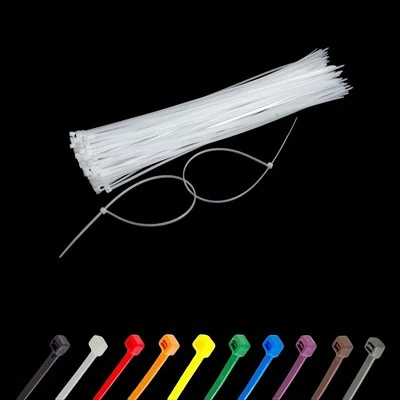
Nylon cable ties, also known as zip ties, are ubiquitous in various industries due to their versatility, strength, and ease of use. As a supplier of nylon cable ties, I am often asked about their resistance to chemicals. This is a crucial question, especially for customers in industries such as manufacturing, automotive, and chemical processing, where exposure to various chemicals is common. In this blog post, I will explore the chemical resistance of nylon cable ties, discussing factors that affect it, common chemicals they encounter, and how to choose the right cable ties for specific chemical environments. Nylon Cable Ties
Understanding Nylon Cable Ties
Before delving into their chemical resistance, it’s important to understand what nylon cable ties are. Nylon is a synthetic thermoplastic polymer known for its excellent mechanical properties, including high tensile strength, flexibility, and abrasion resistance. These properties make nylon an ideal material for cable ties, which are used to bundle, secure, and organize cables, wires, and other objects.
Nylon cable ties are typically made from nylon 6 or nylon 6/6. Nylon 6 is a single-polymer chain, while nylon 6/6 is a copolymer made from two different monomers. Both types of nylon offer good overall performance, but nylon 6/6 generally has higher strength and better chemical resistance than nylon 6.
Factors Affecting Chemical Resistance
The chemical resistance of nylon cable ties is influenced by several factors, including the type of nylon, the chemical nature of the substance, the concentration of the chemical, the temperature, and the duration of exposure.
- Type of Nylon: As mentioned earlier, nylon 6/6 generally offers better chemical resistance than nylon 6. This is due to its more stable molecular structure, which makes it less susceptible to chemical attack.
- Chemical Nature: Different chemicals have different effects on nylon cable ties. Some chemicals, such as acids and alkalis, can react with nylon, causing it to weaken or degrade. Others, such as solvents and oils, can swell or dissolve nylon, depending on their polarity and solubility.
- Concentration: The higher the concentration of a chemical, the more likely it is to cause damage to nylon cable ties. Even chemicals that are relatively harmless at low concentrations can become corrosive at high concentrations.
- Temperature: Higher temperatures can accelerate chemical reactions and increase the rate of degradation. Nylon cable ties may be more resistant to chemicals at lower temperatures, but their performance can deteriorate rapidly as the temperature rises.
- Duration of Exposure: Prolonged exposure to chemicals can also have a cumulative effect on nylon cable ties. Even if a chemical does not cause immediate damage, long-term exposure can lead to gradual degradation and loss of mechanical properties.
Common Chemicals and Their Effects
Nylon cable ties can encounter a wide range of chemicals in various industrial applications. Here are some common chemicals and their effects on nylon:
- Acids: Strong acids, such as sulfuric acid and hydrochloric acid, can react with nylon, causing it to hydrolyze and break down. This can lead to a significant loss of strength and flexibility. Weak acids, such as acetic acid, may have a less severe effect, but prolonged exposure can still cause degradation.
- Alkalis: Strong alkalis, such as sodium hydroxide and potassium hydroxide, can also react with nylon, causing it to saponify and lose its integrity. Similar to acids, weak alkalis may have a milder effect, but long-term exposure can lead to damage.
- Solvents: Polar solvents, such as acetone and ethanol, can dissolve nylon, especially at high concentrations and elevated temperatures. Non-polar solvents, such as hexane and toluene, may cause swelling or softening of nylon, but they are generally less likely to dissolve it.
- Oils and Greases: Mineral oils and greases can have a minimal effect on nylon cable ties, as they are relatively non-reactive. However, some synthetic oils and greases may contain additives or contaminants that can cause damage to nylon over time.
- Salts: Most salts have little or no effect on nylon cable ties. However, some salts, such as ammonium nitrate and sodium hypochlorite, can react with nylon under certain conditions, causing it to degrade.
Testing and Standards
To ensure the chemical resistance of nylon cable ties, manufacturers often conduct various tests and follow industry standards. These tests can include immersion tests, where cable ties are submerged in a chemical solution for a specified period of time, and stress cracking tests, where cable ties are exposed to a combination of stress and chemical environment.
Some common industry standards for nylon cable ties include ASTM D3641 (Standard Specification for Nylon Tie Straps) and UL 467 (Standard for Safety for Cable Ties). These standards define the requirements for the mechanical and chemical properties of cable ties, including their resistance to various chemicals.
Choosing the Right Cable Ties for Chemical Environments
When selecting nylon cable ties for a specific chemical environment, it’s important to consider the factors mentioned above. Here are some tips to help you choose the right cable ties:
- Identify the Chemicals: Determine the types of chemicals that the cable ties will be exposed to, as well as their concentration, temperature, and duration of exposure.
- Choose the Right Nylon: Opt for nylon 6/6 cable ties, as they generally offer better chemical resistance than nylon 6.
- Check the Manufacturer’s Data: Look for cable ties that have been tested and certified for chemical resistance by the manufacturer. The manufacturer’s data sheet should provide information on the cable ties’ performance in various chemical environments.
- Consider Special Coatings or Additives: Some cable ties may be available with special coatings or additives that enhance their chemical resistance. These can include fluoropolymer coatings or chemical-resistant additives.
- Test Samples: If possible, test samples of the cable ties in the actual chemical environment before making a final decision. This can help you ensure that the cable ties will perform as expected.
Conclusion
In conclusion, nylon cable ties can offer good resistance to many chemicals, but their performance depends on several factors, including the type of nylon, the chemical nature of the substance, the concentration, the temperature, and the duration of exposure. As a supplier of nylon cable ties, I understand the importance of choosing the right cable ties for specific chemical environments. By considering the factors mentioned above and following industry standards, you can select cable ties that will provide reliable and long-lasting performance in your application.
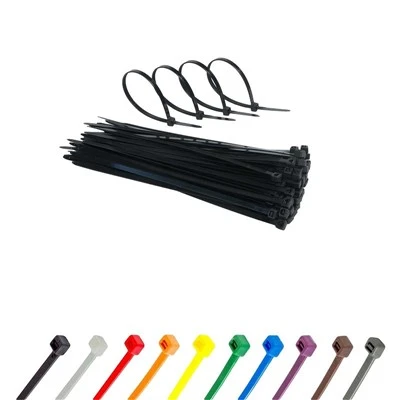
Colored Nylon Cable Tie If you have any questions about the chemical resistance of nylon cable ties or need help choosing the right cable ties for your application, please do not hesitate to contact me. I am here to assist you in finding the best solution for your needs.
References
- ASTM D3641 – Standard Specification for Nylon Tie Straps
- UL 467 – Standard for Safety for Cable Ties
- Handbook of Thermoplastics, Second Edition by O. Olabisi
Wenzhou Xinsheng Co., Ltd.
Wenzhou Xinsheng Co., Ltd. is one of the most professional nylon cable ties manufacturers and suppliers in China. We have world-leading production equipment and strong manufacturing capabilities. If you’re going to wholesale bulk durable nylon cable ties made in China, welcome to get pricelist from our factory. For price consultation, contact us.
Address: No.419, Gongye Huanlu, Dongmeng Industrial Zone, Wuniu Street, Yongjia County, Wenzhou City, Zhejiang Province, China
E-mail: xuenda1@gmail.com
WebSite: https://www.wenzhouxinsheng.com/
