Galvanized profiles have become a staple in various industries due to their durability, corrosion resistance, and versatility. As a supplier of galvanized profiles, I’ve encountered numerous inquiries about their load – bearing capacity. Understanding this aspect is crucial for engineers, contractors, and DIY enthusiasts alike, as it directly impacts the safety and performance of any structure they’re building. Galvanized Profile

Understanding Galvanized Profiles
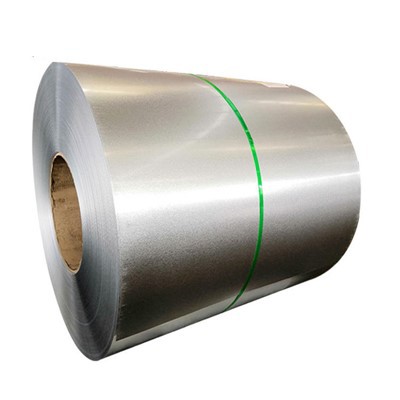
Galvanized profiles are steel products that have undergone a galvanizing process, typically hot – dipping, where a protective zinc coating is applied to the steel. This coating not only provides excellent corrosion resistance but also enhances the overall lifespan of the profile. Galvanized profiles come in a wide range of shapes and sizes, such as angles, channels, tubes, and beams, each with specific applications in construction, automotive, and industrial sectors.
Factors Affecting Load – Bearing Capacity
The load – bearing capacity of galvanized profiles is influenced by several key factors:
Material Properties
The base steel material used in the galvanized profile plays a significant role. Different grades of steel have varying yield strengths and ultimate tensile strengths. Higher – grade steels can generally bear more load before deforming or failing. For example, a profile made from high – strength low – alloy (HSLA) steel will have a greater load – bearing capacity compared to a profile made from mild steel.
Profile Geometry
The shape and size of the galvanized profile are crucial determinants of its load – bearing capacity. Profiles with larger cross – sectional areas can distribute loads more effectively. For instance, an I – beam is designed to carry heavy vertical loads because its shape allows for efficient distribution of stress along the length of the beam. Similarly, a thick – walled galvanized tube will have a higher load – bearing capacity than a thin – walled one of the same diameter.
Coating Thickness
While the primary function of the galvanized coating is corrosion protection, it can also have a minor impact on the load – bearing capacity. A thicker zinc coating adds a small amount of additional mass to the profile, which can potentially affect its performance under certain loading conditions. However, in most practical applications, the effect of the coating thickness on load – bearing capacity is negligible compared to the influence of material properties and profile geometry.
Installation and Support Conditions
The way a galvanized profile is installed and supported in a structure is essential. Proper anchoring, bracing, and support at key points can significantly increase the load – bearing capacity. For example, if a galvanized beam is simply placed on two supports without proper fixing, it will have a much lower load – bearing capacity compared to when it is welded or bolted securely to the supports.
Calculating Load – Bearing Capacity
Determining the exact load – bearing capacity of a galvanized profile is a complex process that typically involves the use of engineering principles and calculations. Structural engineers often rely on design codes and standards, such as the American Institute of Steel Construction (AISC) standards in the United States or the European Standard EN 1993 for steel structures.
These calculations take into account the factors mentioned above, as well as the type of load (e.g., static, dynamic, or impact load) and the safety factor. The safety factor is a multiplier applied to the calculated load – bearing capacity to ensure that the structure can withstand unexpected loads or variations in material properties.
For example, when calculating the load – bearing capacity of a galvanized channel used as a floor joist, the engineer will consider the span length, the spacing between joists, the type of flooring material, and the expected live and dead loads on the floor. By using the appropriate equations and design tables, the engineer can determine the maximum load that the channel can safely carry.
Real – World Applications
Galvanized profiles are used in a wide variety of real – world applications, and understanding their load – bearing capacity is essential for ensuring the integrity of these structures:
Construction Industry
In building construction, galvanized profiles are used in the framing of residential and commercial buildings. For example, galvanized steel studs are commonly used in interior partition walls. The load – bearing capacity of these studs determines the height and length of the walls they can support. Similarly, galvanized beams and columns are used in the structural frames of multi – story buildings, where they must carry heavy loads from the floors and roofs above.
Automotive Industry
In the automotive industry, galvanized profiles are used in the manufacture of vehicle frames and chassis components. These profiles need to withstand the dynamic loads associated with vehicle movement, including acceleration, braking, and cornering. Understanding the load – bearing capacity of galvanized profiles helps automotive engineers design safer and more reliable vehicles.
Industrial Applications
Galvanized profiles are also widely used in industrial settings, such as in the construction of machinery frames, conveyor systems, and storage racks. In these applications, the load – bearing capacity is critical to ensure that the equipment can operate safely and efficiently under the expected loads.
Importance of Accurate Load – Bearing Assessment
Accurately assessing the load – bearing capacity of galvanized profiles is of utmost importance. Underestimating the load – bearing capacity can lead to structural failures, which can result in property damage, injuries, and even loss of life. On the other hand, overestimating the load – bearing capacity can lead to the use of oversized profiles, which can increase the cost of the project and make it less efficient.
As a galvanized profile supplier, I always recommend that customers consult with a qualified structural engineer before using our products in any application. Our engineers are also available to provide technical support and guidance on the selection of the appropriate profiles based on the specific load requirements of the project.
Conclusion and Call to Action
In conclusion, the load – bearing capacity of galvanized profiles is a complex but crucial aspect that depends on multiple factors, including material properties, profile geometry, coating thickness, and installation conditions. By understanding these factors and using the appropriate engineering calculations, it is possible to accurately determine the load – bearing capacity of galvanized profiles for a wide range of applications.
Roofing Sheet If you’re in need of high – quality galvanized profiles for your next project, I encourage you to reach out to us. Our team of experts can help you select the right profiles based on your specific load – bearing requirements. Whether you’re a contractor working on a large – scale construction project or a DIY enthusiast building a small shed, we have the products and knowledge to meet your needs. Contact us today to start a conversation about your project and explore our range of galvanized profiles.
References
- American Institute of Steel Construction (AISC). Steel Construction Manual.
- European Standard EN 1993: Design of Steel Structures.
Xi’an Dongmeng Group Co., Ltd.
Xi’an Dongmeng Group Co., Ltd. is one of the leading galvanized profile manufacturers and suppliers in China. We warmly welcome you to buy or wholesale cheap galvanized profile in stock here from our factory. All customized products are with high quality and competitive price. For free sample, contact us now.
Address: Room 4107, Runfeng Building, Sanqiao New Street, Weiyang District, Xi’an City, Shaanxi Province
E-mail: office@dongmjd.com
WebSite: https://www.cndmmetal.com/
