Selecting the appropriate mounting hardware for a specific mounting method is a crucial decision that can significantly impact the success and safety of your installation. As a provider specializing in mounting solutions, I understand the challenges and considerations that come with this process. In this blog, I’ll share insights on how to choose the right mounting hardware for various mounting methods, ensuring a secure and efficient installation. By Mounting Method

Understanding Different Mounting Methods
Before delving into the selection of mounting hardware, it’s essential to understand the different mounting methods available. Each method has its unique requirements and applications, and choosing the right one depends on factors such as the type of object being mounted, the surface it will be attached to, and the environmental conditions.
Wall Mounting
Wall mounting is one of the most common mounting methods, used for hanging objects such as TVs, shelves, and artwork on walls. When choosing hardware for wall mounting, it’s important to consider the weight and size of the object, as well as the type of wall material. For example, drywall requires different hardware than concrete or brick walls. Toggle bolts, wall anchors, and screws are commonly used for wall mounting, and the choice of hardware depends on the weight and stability requirements of the installation.
Ceiling Mounting
Ceiling mounting is often used for installing lighting fixtures, fans, and speakers. Similar to wall mounting, the weight and size of the object, as well as the type of ceiling material, are important considerations. Ceiling joists provide a strong and stable support for ceiling-mounted objects, and it’s recommended to use hardware that can be securely attached to the joists. Hanging brackets, chains, and hooks are commonly used for ceiling mounting, and the hardware should be rated for the weight of the object.
Floor Mounting
Floor mounting is used for securing objects such as furniture, equipment, and machinery to the floor. This method is often used in industrial and commercial settings, where stability and durability are crucial. When choosing hardware for floor mounting, it’s important to consider the type of floor material, the weight and size of the object, and the intended use. Concrete anchors, bolts, and screws are commonly used for floor mounting, and the hardware should be designed to withstand the forces and stresses of the installation.
Pole Mounting
Pole mounting is used for installing objects such as signs, cameras, and antennas on poles. This method is commonly used in outdoor settings, where the object needs to be elevated for better visibility or functionality. When choosing hardware for pole mounting, it’s important to consider the diameter and material of the pole, as well as the weight and size of the object. Clamps, brackets, and straps are commonly used for pole mounting, and the hardware should be designed to securely attach the object to the pole.
Factors to Consider When Choosing Mounting Hardware
Once you have determined the appropriate mounting method for your application, the next step is to choose the right mounting hardware. Here are some factors to consider when making your selection:
Weight Capacity
The weight capacity of the mounting hardware is one of the most important factors to consider. It’s essential to choose hardware that can support the weight of the object being mounted, as well as any additional loads or forces that may be applied. Overloading the hardware can lead to failure and pose a safety risk. When selecting hardware, refer to the manufacturer’s specifications and guidelines to ensure that the weight capacity is sufficient for your application.
Material and Durability
The material and durability of the mounting hardware are also important considerations. The hardware should be made of high-quality materials that can withstand the environmental conditions and the stresses of the installation. For example, in outdoor applications, the hardware should be corrosion-resistant to prevent rust and damage. Stainless steel, aluminum, and galvanized steel are commonly used materials for mounting hardware, and the choice of material depends on the specific requirements of the application.
Compatibility
The mounting hardware should be compatible with the object being mounted and the surface it will be attached to. It’s important to ensure that the hardware fits properly and securely, and that it can be easily installed and removed. For example, if you are mounting a TV on a wall, the mounting bracket should be compatible with the VESA mounting pattern of the TV, and the wall anchors should be suitable for the type of wall material.
Ease of Installation
The ease of installation is another important factor to consider. The mounting hardware should be easy to install, even for those with limited DIY skills. It’s recommended to choose hardware that comes with clear instructions and all the necessary components. Additionally, some hardware may require special tools or equipment for installation, so it’s important to consider this when making your selection.
Safety
Safety is always a top priority when choosing mounting hardware. The hardware should be designed to prevent accidents and ensure the stability of the installation. It’s important to follow the manufacturer’s instructions and guidelines for installation and use, and to regularly inspect the hardware for any signs of damage or wear. Additionally, it’s recommended to use safety features such as locking mechanisms and anti-vibration devices to prevent the object from falling or moving.
Tips for Choosing the Right Mounting Hardware
Here are some tips to help you choose the right mounting hardware for your specific mounting method:
Research and Compare
Before making a purchase, it’s important to research and compare different types of mounting hardware. Look for products that are designed for your specific application and that meet your requirements in terms of weight capacity, material, and durability. Read reviews and customer feedback to get an idea of the quality and performance of the hardware.
Consult with a Professional
If you are unsure about which mounting hardware to choose, it’s recommended to consult with a professional. A professional installer or a hardware expert can provide you with valuable advice and guidance based on your specific needs and requirements. They can also help you ensure that the installation is done correctly and safely.
Consider the Future
When choosing mounting hardware, it’s important to consider the future. Think about whether you may need to move or reposition the object in the future, and choose hardware that allows for easy removal and reinstallation. Additionally, consider the possibility of adding or upgrading the object in the future, and choose hardware that can accommodate these changes.
Test the Hardware
Before installing the mounting hardware, it’s a good idea to test it to ensure that it works properly. This can help you identify any potential issues or problems before the installation is complete. You can test the hardware by attaching it to a test surface and applying a load to see if it can support the weight.
Conclusion
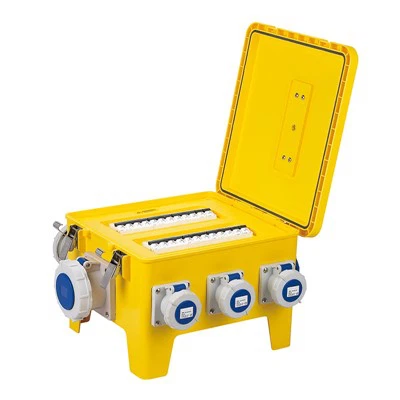
HDPE Power Distribution Box Choosing the right mounting hardware for a specific mounting method is a critical decision that can impact the success and safety of your installation. By understanding the different mounting methods, considering the factors discussed above, and following the tips provided, you can select the hardware that is best suited for your application. As a provider of mounting solutions, I am committed to helping you find the right hardware for your needs. If you have any questions or need assistance with choosing the right mounting hardware, please don’t hesitate to contact us. We look forward to working with you to ensure a successful installation.
References
- Manufacturer’s specifications and guidelines for mounting hardware
- Industry standards and best practices for mounting installations
- Professional installer and hardware expert advice
Address: No.2 Yuyao Rd, Yuxin, Nanhu District, Jiaxing, China
E-mail: kevin@apekselectric.com
WebSite: https://www.powerdistros.com/
